Electric Car Guides & Advice
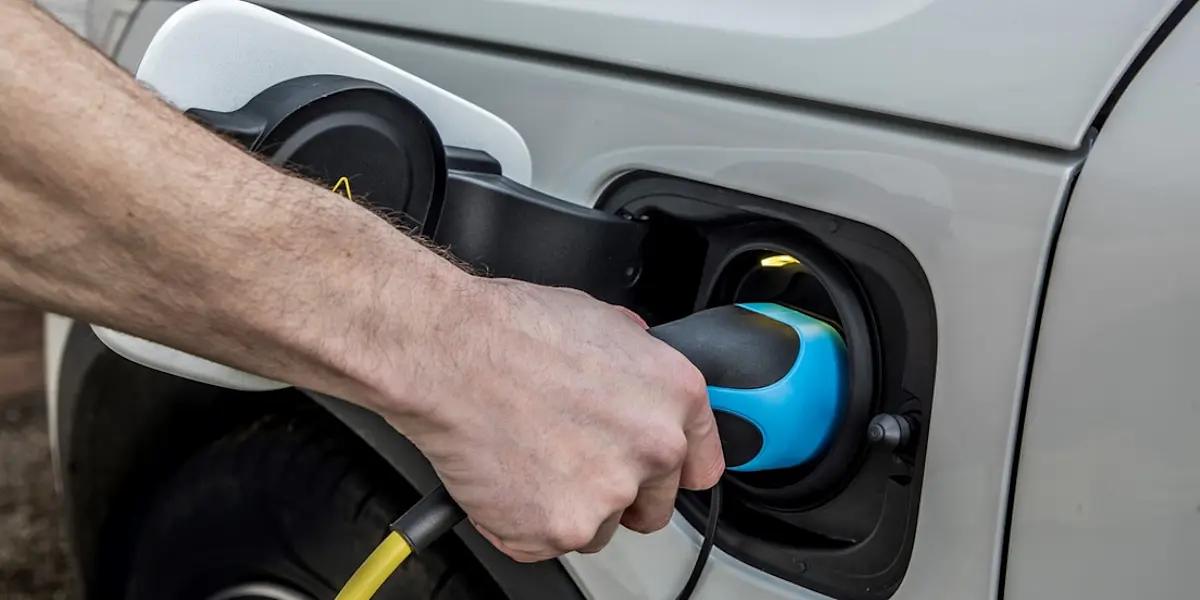
Buying a car is already more complicated than it needs to be. Adding a new fuel type to the decision doesn't simplify things. So here's everything you need in one place – no jargon, no push toward a particular choice.
This is Cazoo's Electric Vehicles Hub. How EVs work, which models are worth considering, what they actually cost to own. We’ve laid that out plainly, so you can make up your own mind.
The questions most people have are straightforward: what will it cost me, how far will it go, and does it fit how I actually use a car? We've tried to answer them honestly.
Best Electric Cars in 2026
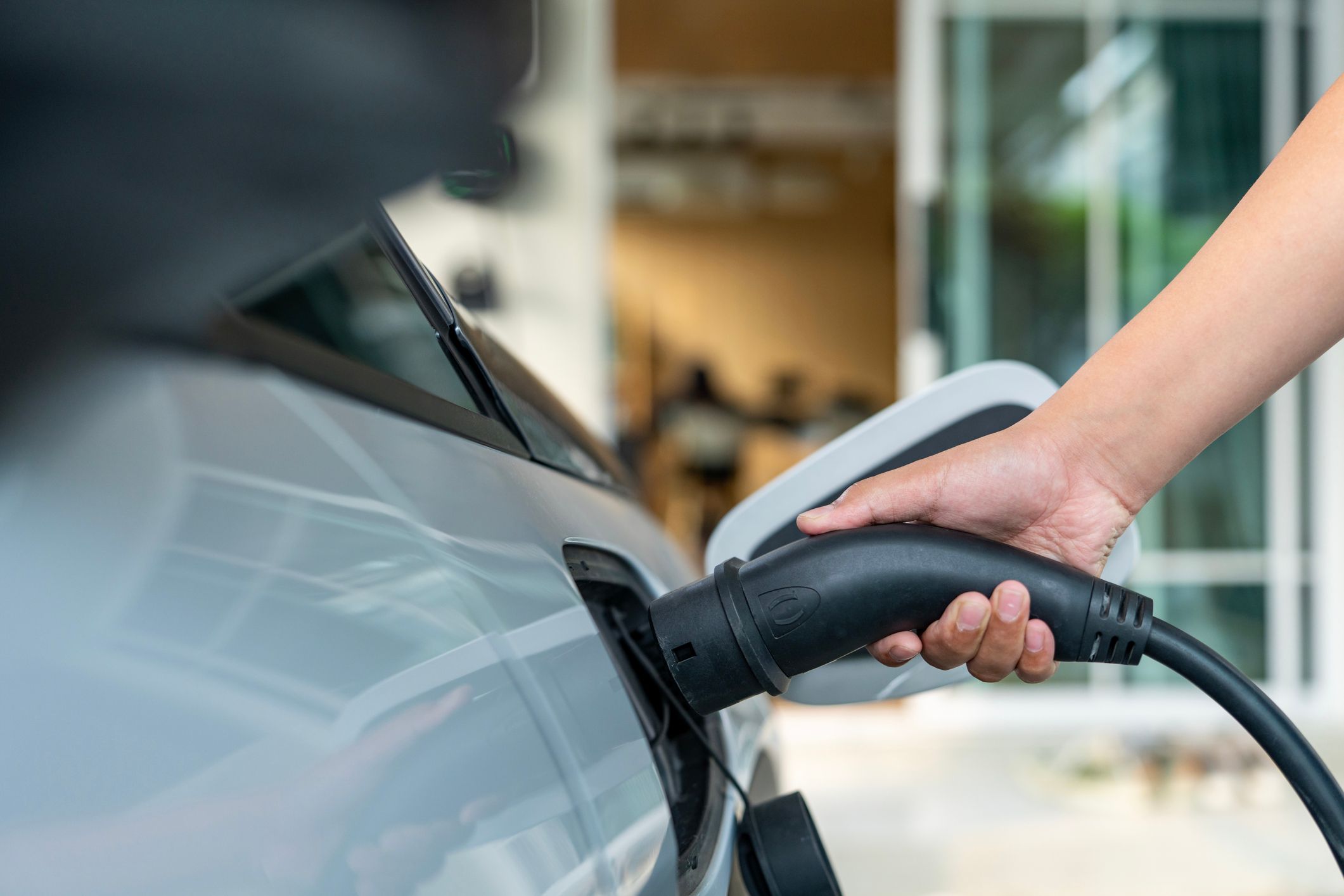
There's no single best EV — there's the best one for how you drive, what you carry, and what you're willing to spend. Our 2026 guide works through the leading models, what each does well, and where the compromises sit across range, features and running costs.
The biggest electric cars you can buy right now
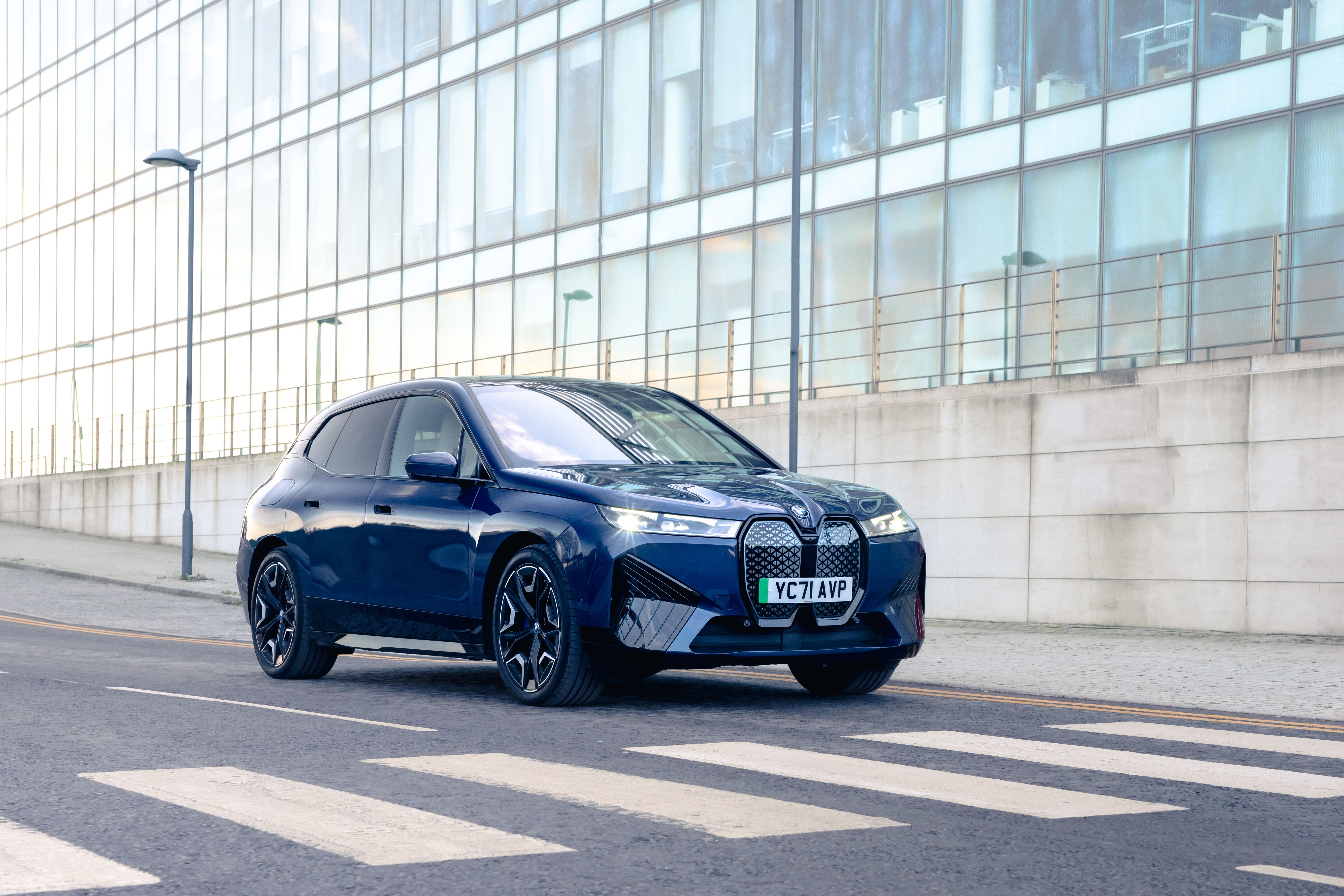
For a long time, "electric" and "spacious" didn't often appear in the same sentence. That's changed. Large electric SUVs now exist in reasonable numbers, with proper ranges and interiors that work for families rather than just the specification sheet. We've listed the biggest ones on sale so you can judge whether they actually fit your life.

Should I buy an electric car?
The fact that EVs are more common doesn't mean one is automatically right for you. Whether it makes sense depends on your routes, your home charging situation, and your budget. Our guide makes the case for and against — so you can reach your own conclusion rather than have one reached for you.
What you should know about buying an EV
Electric cars now outsell diesels in the UK, and there can be serious cost savings for EV motorists. Read on for helpful tips that are good to know before buying an EV.
Frequently Asked Questions About Electric Cars
Do you pay tax on electric cars?
Yes. From 1 April 2025, electric cars in the UK are subject to Vehicle Excise Duty (VED). Newly registered EVs pay £10 for the first year, then £195 annually from year two onwards. Cars priced over £40,000 attract an additional £425 per year for the first five years — bringing the total to £620 a year during that window. EVs registered between 2017 and 2025 pay £195 a year; those registered before 2017 pay £20 a year.
Are electric cars cheaper to run?
Often, but it depends. Home charging typically costs less per mile than petrol or diesel, and EVs have fewer moving parts — which generally means less to service and replace over time. The actual saving varies with your mileage, your energy tariff, and how often you charge away from home. It's worth working out your own numbers before assuming a figure.
Do electric cars need MOT?
Yes, after three years exactly like any other car. Fewer moving parts means fewer things the tester needs to check, though MOT fees are set at the same maximum regardless of fuel type.
Do electric cars pay congestion charge?
Since December 25, 2025 EVs are no longer exempt from the London Congestion Charge, so you’ll still have to pay to enter this area. However, the charge currently stands at £13.50 a day for EVs, which is a discounted rate compared with £18 for other fuel types.
How much are electric cars?
The price for a new EV has reduced considerably in recent times – you can now get one from under £15,000. However, as more used options have flooded the market, that’s often where the more realistic pricing sits with options well under £10,000. EVs depreciate like any car, and a nearly-new model can cost considerably less than its original list price. You can see what's available across our full EV range.
How do electric cars work?
A battery stores electricity. An electric motor uses it to turn the wheels. You recharge the battery at a charging point instead of visiting a fuel pump. There's no combustion engine, no petrol, no diesel, and that means fewer moving parts. That’s it in a nutshell.
Do electric cars have gears?
No. Most EVs use a single-speed transmission. There's nothing to shift — you press the accelerator and the car moves. In practice, that means an EV behaves much like an automatic.
Are all electric cars automatic?
Not in the strict mechanical sense, but the experience is the same. No clutch, no gearstick, no decision about which gear you're in. For most drivers, that makes them straightforward to use from the first time you sit in one. Some sophisticated EVs, such as the Hyundai Ioniq 5 N implement simulated gear changes for those that want the traditional feeling of an car with a gearbox for added involvement.
Find the right EV
An electric car may reduce your running costs and emissions — how much depends on how and where you drive. Whether you want something compact, spacious or performance-focused, the range of options has grown considerably.
See what's available: Search now