How to Buy a Used Car Safely: Complete Guide
Buying a used car should be a good experience. But the worry about whether you're making a safe, sensible choice tends to sit right alongside the excitement. That's normal, and it's fair.
Charlie Harvey
Published on 10 June 2025 | 5 mins read
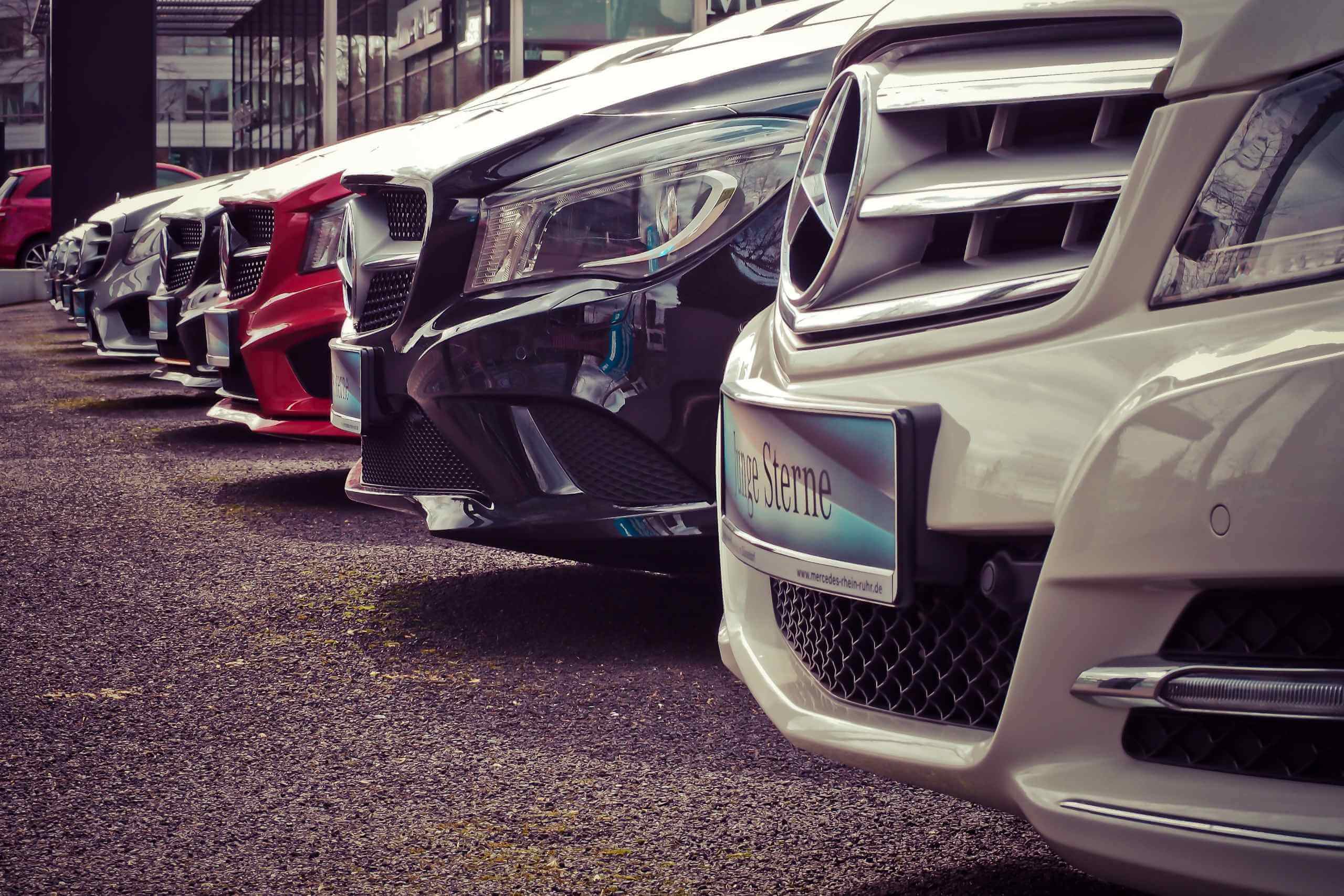
Buying a car is meant to be something you look forward to. Maybe you're after a family-friendly model for trips away, or a convertible to make the most of a sunny weekend. Either way, the bit that nags at most people is the same: am I about to get caught out?
You don't need to leave it to luck. A handful of straightforward checks does most of the heavy lifting, and none of them require you to be a mechanic. We've laid them out below, in the order you'll actually need them.
Where to buy a used car from

You've got more places to buy a car than ever. Each one comes with its own trade-offs, so here's the honest version of each.
Dealership, independent garage, supermarket or trader
Buying from a dealership, independent garage, car supermarket or trader gives you plenty of choice in one place. Many can sort finance, and some will take your old car in part-exchange.
One thing worth knowing: anyone buying and selling cars regularly for profit is legally required to register as a trader, which means they must follow trading standards. So if something's wrong, you have a right to a repair or refund. So-called "driveway dealers" who skip that step are the ones to be wary of.
The trade-off is you may pay a little more, and there can be extra fees. Most dealers do right by their customers, but a few still lean on pressure tactics, so it's worth reading reviews before you go.
Private Seller
Buying from a private seller is often cheaper, and you can talk directly to the person who's actually driven the car. There's usually room to negotiate, too. The catch is fewer protections: finance options are limited, and the inspections, MOT history checks and paperwork are all on you.
Online
Buying online, usually through a dealer, lets you handle everything from your sofa, finance and paperwork included, with delivery to your door. The downside is plain: you can't see the car in person first. Money-back guarantees help, but sending a car back is rarely as quick as you'd like.
Auction
Auctions can land you a lower price, and once the hammer falls the car is yours. But there's little buyer protection, barely any chance to inspect first, and a real risk of problems you only discover later.
Watch out for scams
Most sellers are genuine. A few aren't, and their tricks are worth knowing. One common scam is the "virtual" car: a fraudster clones a real advert, takes your money, then vanishes with no car to hand over.
A price that looks too good usually is. If a seller won't let you view the car, that's your answer. Verify the details, ask plenty of questions, and never send money before you've seen the car in person. Viewing it at the address on the logbook and running a history check are two simple steps that quietly rule out most fraud.
What should I check before buying?
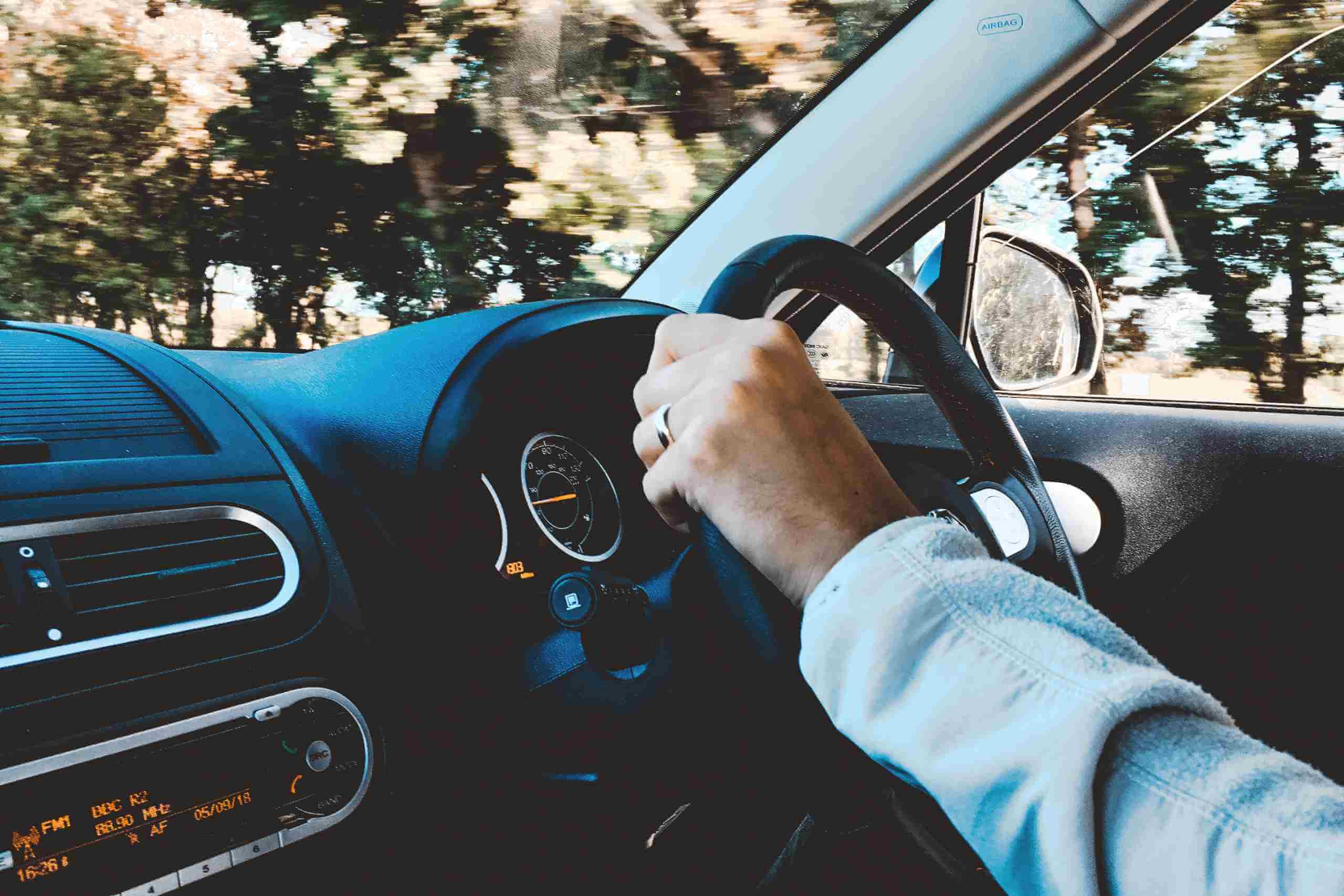
You've weighed up where to buy. Before you go and see anything, a bit of groundwork saves you time, money and the odd headache.
Budget
Set a firm budget early and it spares you disappointment later. Don't just count the sticker price, though. Tax, insurance and running costs all add up.
It's worth finding out what an average service costs for the car you're eyeing, plus the price of replacing tyres or brakes. Better to know now than to be surprised in six months.
Research
The more you know going in, the harder you are to catch out. Check whether the model has had any recalls, and look at owner forums to see what people actually live with day to day. Ask friends and family if anyone's run one.
You can also read our expert reviews and watch our YouTube channel to get a proper feel for the car before you see it.
Features
A quick "wish list" of features makes the whole decision easier. Modern cars come loaded with kit, but only some of it matters to you. Maybe that's air conditioning or sat-nav. For a lot of people, smartphone integration like Apple CarPlay and Android Auto is now non-negotiable, so check it's fitted.
Our listings cover most of the key features you'll want, but if there's something specific you need to confirm, pick up the phone and ask the retailer.
Space and practicality
A car that's too small for your life is frustrating. One that's too big to park easily is its own kind of daily annoyance. Look into how much cabin and boot space a model actually offers before you commit.
If you regularly carry more people, a seven-seater might be worth a look.
History
A clean history is the difference between hassle-free motoring and nasty surprises. The Government's MOT checker is a great starting point: it shows how a car has done in recent tests and flags any failures. Best of all, it's free.
For a small fee, third-party services can also tell you if a car has outstanding finance or has been written off. That's money well spent for peace of mind.
Alternatives
You might not find the exact car you set out for, so it helps to have a few backups you'd be just as happy with. These could be similar models with similar engines, or something different that still ticks your boxes. Your budget and wish list will point the way.
Warranty/Maintenance
If you'd like extra reassurance after buying, look into whether a warranty or maintenance package comes with the car. A private seller is unlikely to offer this, but many dealers and independents provide cover, at least for the first few weeks of ownership.
Standalone warranties are also available separately, so it's worth checking whether one gives you the cover you actually need.
What do I need to check on the vehicle itself?
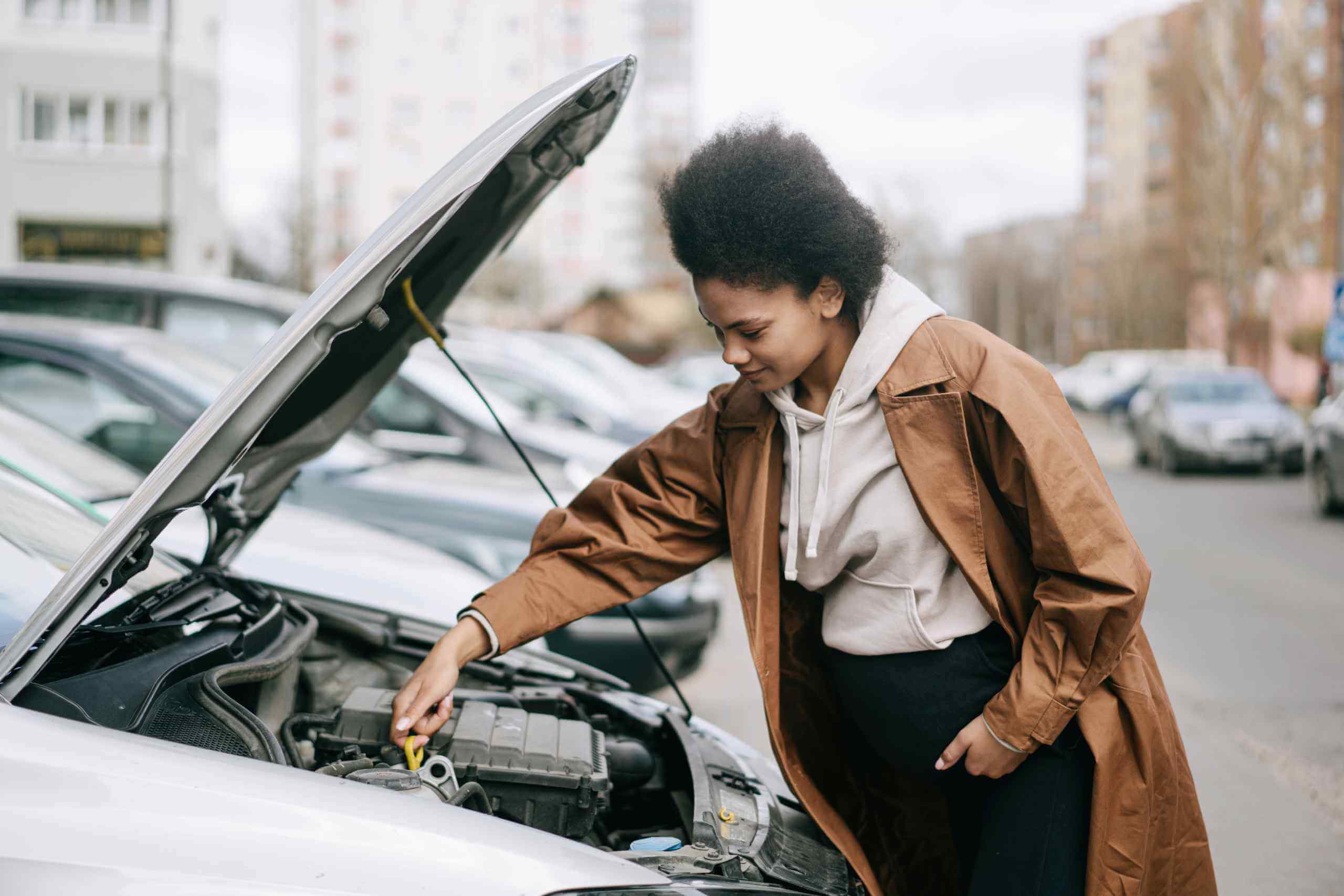
You've found a car that looks right: in budget, with the features you wanted. Now comes the part that protects you most, seeing it in person. Here's where to focus your attention.
History and information
Gather as much as you can. Ask for old documents, repair receipts, and check the service book for stamps at the right intervals.
With a private seller, there's no harm in asking why they're selling and how long they've owned it. Every extra bit of context helps you build the full picture.
General condition
You can learn a lot at a glance. Check the bumpers for car park scrapes and look at the main body panels for signs of a respray, like slightly mottled paint or a colour that looks flatter than the rest. Check the alloys, if fitted, for damage, which could be a fair point to raise on price.
Inside, look for worn seats and collapsed side bolsters. A car that's clean and cared for usually says something good about how the rest of it has been treated.
Tyres
Tyres are pricey to replace, so check the ones fitted are in good shape. Look along the sidewalls for lumps or cuts, and check the tread depth. The legal minimum in the UK is 1.6mm, though most specialists suggest replacing well before that. A tread gauge is cheap and easy to buy online.
It's also worth noting the tyre brand. Budget tyres aren't a problem in themselves, but they can hint at a car maintained on a tight budget, so give the rest of it a closer look if that's what you find.
Electrical
Electrics matter, and faults here can be expensive, so try everything. Press every button, run the air-con, work through the touchscreen menus if there's one fitted. If the car has a sunroof, open and close it. The five minutes you spend now could save you a hefty repair bill later.
Mileage
Mileage tells a big part of a car's story. The online MOT checker shows the recorded mileage over time, so it's worth comparing that with the figure on the dash.
"Clocking", where the odometer is wound back to show fewer miles, is rarer than it once was but still happens. A telltale sign is a mismatch: a tired-looking interior and exterior paired with suspiciously low mileage.
Questions to ask
- What vehicle checks have been carried out, and when?
- How many previous owners has the car had? (You'll also find this on the V5C.)
- Has it ever been in a collision, and if so, where was it repaired?
- When are the next service and MOT due?
- Is it modified, or has it ever been? (This can affect insurance and depreciation.)
- Is it still under warranty, and how long is left?
- When was it last serviced and MOT'd, and are there records?
- Anything specific to your needs, such as towing capability.
Test drive
The test drive is where hidden faults tend to show themselves. Listen for squeaks, rattles or odd noises that might point to loose parts or suspension issues. Brakes should stop the car confidently, without squealing or wobble. A wobble through the pedal can mean warped pads; a wobble through the steering wheel might be unbalanced tyres or a brake problem. To check the suspension, turn the wheel fully in a large, open space and drive slowly forward, then repeat in reverse, listening for knocking or rubbing.
How to get the best deal

You've driven it, inspected it, and it all stacks up. Now for the part nobody loves but everyone wants to get right: the price.
Negotiate
Negotiating is normal when buying used, especially from private sellers, though plenty of dealers will talk too. Worth knowing: some dealer groups work to fixed prices, so there isn't always room to move.
Stay calm and ask questions. If you've spotted worn tyres or kerbed alloys, those are fair points to raise, since they cost real money to put right and you'll be the one sorting them.
Some dealers may offer extras like paint protection or servicing instead of a discount. Just check they're genuinely useful to you, rather than money off in disguise.
Agree on collection or delivery
Once you've agreed a price, get it in writing, then arrange collection or delivery. Buying privately, you'll usually drive away the same day. If it's being delivered, check it over for transit damage the moment it arrives.
Then sort payment. Dealers offer finance packages to spread the cost. You'll typically need your driving licence, employment details for finance, extra ID and proof of address such as a passport, and your chosen payment method.
With a private seller, agree the payment method in advance. A bank transfer is the safest route, so double-check the details first. Cash is risky: large sums are a hassle to carry, and you've no proof of payment if anything goes wrong later.
What happens when you’ve bought your used car?

Almost there. A few final steps stand between you and driving off properly sorted.
Receive paperwork
This usually happens during the sale, but check you've got everything before you leave. That includes the V5C new keeper slip, your proof that the car is now yours. You and the seller both need to tell the DVLA about the change of ownership.
Sort insurance and tax
Before you drive anywhere, the car needs to be taxed and insured. You can arrange insurance online, and it's worth comparing quotes to find the best price, or set up temporary cover just to get the car home.
Tax doesn't transfer between owners, so you'll sort this through the Government's website. One catch: you can only tax a car once it's insured, so get cover in place first.
Servicing and repairs
If you spotted anything that needs fixing during the buying process, it's often best to deal with it straight away, particularly anything safety-related like brakes or tyres. Strike while the iron's hot and you won't be left chasing it later.